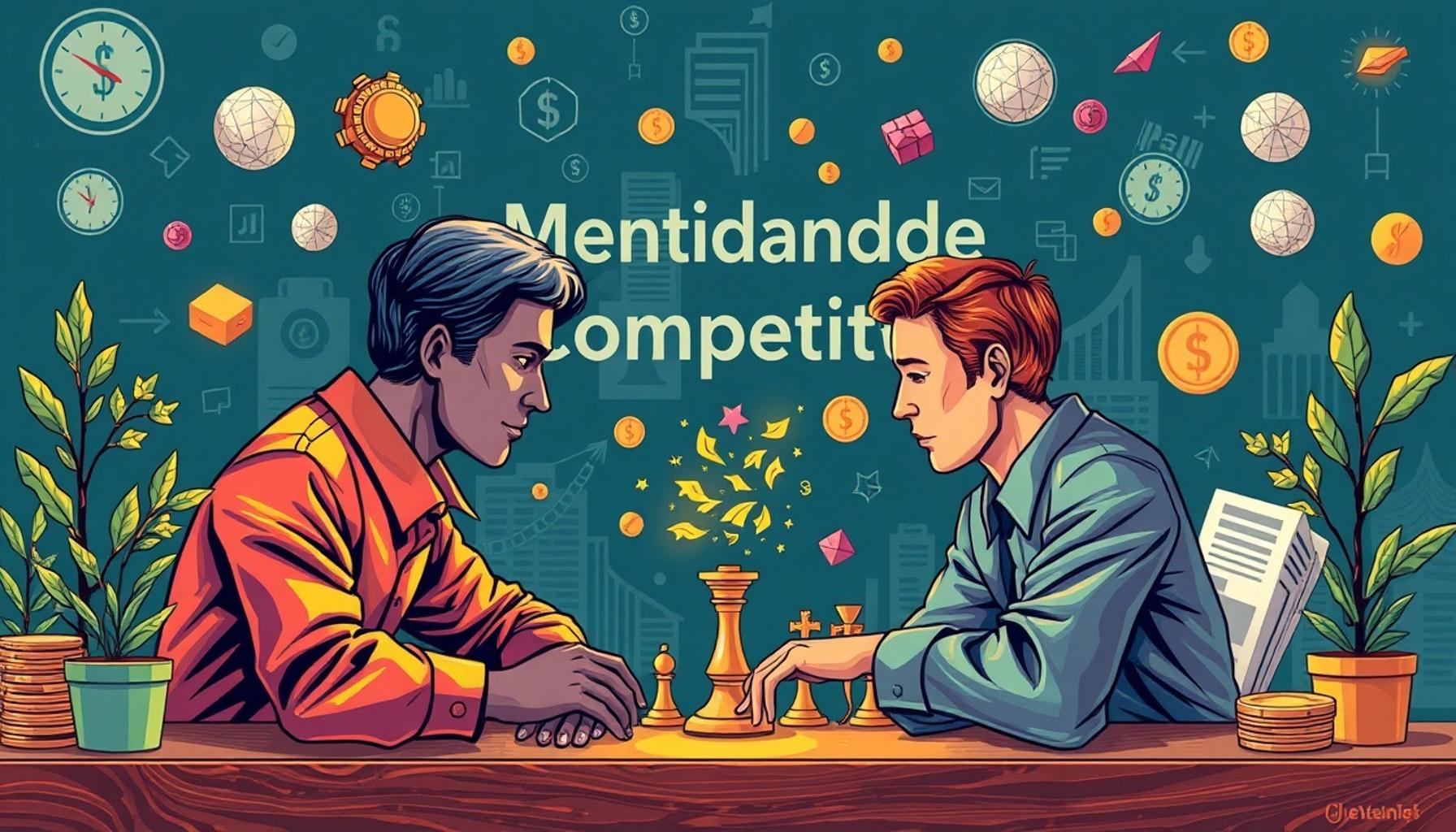
Logical Puzzles as Tools for Critical Thinking: Learning to Anticipate Moves

Unleashing the Power of Logical Puzzles
Engaging with logical puzzles is more than just a pastime; it serves as a significant tool for enhancing critical thinking skills. These intriguing challenges not only entertain but also foster deep cognitive engagement, compelling individuals to analyze, strategize, and anticipate the next moves involved in problem-solving. In our rapidly-evolving world, where adaptability is key, honing these skills is invaluable and can set one apart in both personal and professional realms.
Why Logical Puzzles Matter
Logical puzzles come in various forms, including brain teasers, riddles, and logic games, each serving a unique purpose. The advantages of integrating these puzzles into one’s routine are multifaceted and deeply impactful:
- Enhancing problem-solving abilities – Engaging in puzzles like chess or labyrinth challenges promotes improved analytical skills and logical reasoning. For instance, solving a chess puzzle encourages one to think several moves ahead and weigh outcomes against each possible decision.
- Boosting cognitive agility – Regular engagement with puzzles such as Sudoku or logic grids sharpens mental flexibility. They require quick thinking and adaptability, training the brain to pivot between different strategies as obstacles arise.
- Encouraging strategic thinking – Puzzles teach individuals to anticipate moves, fostering a mindset that values foresight. A great example is the game of Go, which emphasizes territorial control and requires meticulous planning to outmaneuver opponents.
From classic crossword puzzles that challenge vocabulary and spelling to Sudoku, which sharpens numerical skills, these games stimulate brain activity and encourage a growth mindset. This mental exercise not only enhances cognitive functions but also builds resilience, enabling individuals to tackle everyday challenges with confidence. Research has shown that regular puzzle-solving can even stave off cognitive decline and keep the mind sharp, making it a beneficial activity for all ages.
As we delve deeper into the influence of logical puzzles on critical thinking, we uncover practical strategies to leverage these tools effectively. Incorporating puzzles into daily routines, whether through mobile apps, books, or competition, can lead to smarter decision-making and improved life skills. Consider joining a local puzzle club or participating in online competitions, which can provide both social interaction and a stimulating challenge. Ultimately, embracing the world of logical puzzles not only nurtures the mind but also enriches the everyday experience, paving the way for profound insights and enhanced creativity.
LEARN MORE: Click here to discover the importance of memory exercises

The Intricate Connection Between Puzzles and Critical Thinking
At the nexus of entertainment and enlightenment, logical puzzles act as a catalyst for cultivating critical thinking skills. As individuals grapple with these cerebral conundrums, they engage in a process that not only sharpens their intellect but also enhances their ability to anticipate future actions—both their own and those of others. This strategic foresight is particularly vital in today’s complex decision-making landscape, where predicting outcomes can significantly influence success.
Mechanics of Anticipation in Logical Puzzles
The essence of many logical puzzles lies in their structure, which often requires participants to think several steps ahead. For example, consider the classic puzzle of the *Tower of Hanoi*. This problem forces solvers to plan multiple moves in advance while navigating obstacles, ultimately helping them develop a framework for outlining subsequent steps in any problem-solving scenario. By dissecting such puzzles, one can learn key strategies that transfer seamlessly into real-life situations.
Furthermore, the way certain games are designed reinforces the critical thinking process. Engaging in activities such as strategy games like chess or board games such as Settlers of Catan fosters an environment where anticipating moves becomes second nature. Here are a few ways these games help in developing anticipatory skills:
- Evaluating Opponent Strategies – Understanding the motivations and likely reactions of opponents is crucial in strategic games. This analytical approach translates into everyday situations, where anticipating others’ actions can be pivotal.
- Long-term Planning – Many puzzles necessitate the ability to envision future scenarios based on present actions. For instance, in Go, each move influences the overall game landscape, teaching players the importance of an overarching game strategy.
- Adaptive Thinking – The dynamic nature of many puzzles challenges solvers to remain flexible, adjusting their strategies as new information unfolds, akin to navigating the unpredictable waters of life’s challenges.
Moreover, studies have shown that engaging with logical puzzles can lead to enhanced brain function by promoting neural connections. A 2019 study published in the journal *Cognitive Psychology* highlights how people who regularly solve puzzles tend to have better problem-solving skills and memory retention compared to those who do not engage in such activities. This melding of fun and cognitive enhancement suggests that making time for logical puzzles can yield significant dividends well beyond the game board.
As we continue to explore how logical puzzles serve as tools for critical thinking, the implications extend well beyond mere entertainment. They foster a proactive mindset in individuals, enabling them to navigate both personal and professional landscapes more effectively. By incorporating logical puzzles into daily routines, individuals can cultivate a valuable skill set that arms them with the foresight necessary for success.
| Category | Details |
|---|---|
| Problem-Solving Skills | Logical puzzles enhance the ability to approach complex problems systematically. |
| Strategic Thinking | Engaging with logical puzzles fosters anticipation of various outcomes by encouraging players to consider multiple scenarios. |
| Cognitive Development | These activities improve memory, attention span, and processing speed, essential for critical thinking. |
| Collaboration | Working on puzzles in groups cultivates teamwork, communication, and the exchange of diverse viewpoints. |
Engaging with logical puzzles not only sharpens personal skills but also enriches social dynamics, creating a synergy of thought processes that can lead to innovative solutions. The act of anticipating moves encourages individuals to deeply evaluate potential next steps, ultimately enhancing their strategic thinking abilities in both personal and professional realms. By regularly practicing these puzzles, participants can expect sustained cognitive growth and improved critical thinking capabilities that translate into real-life decision-making scenarios. Exploring the world of logical puzzles offers a unique avenue for enhancing mental agility, offering exciting possibilities for lifelong learning and development.
DIVE DEEPER: Click here to discover how puzzles enhance resilience
Enhancing Decision-Making Through Logical Puzzles
Logical puzzles do more than entertain; they represent a profound opportunity to hone decision-making skills. The process of puzzle-solving cultivates a methodical approach to evaluating alternatives, weighing pros and cons, and ultimately making informed choices. Each puzzle serves as a microcosm of decision-making in larger contexts, allowing individuals to practice and refine their cognitive toolkit in a controlled environment.
Puzzles as Training Ground for Real-world Scenarios
Engaging with logical puzzles lays the groundwork for improved judgment by encouraging us to think critically—an essential element in effective decision-making. For example, the well-known *Sudoku* puzzle requires solvers to make calculated decisions based on probability and deduction. Each number placement influences the subsequent options, mirroring the cause-and-effect relationships found in everyday choices. This reinforces the idea of examining potential outcomes before committing to a course of action.
In real life, the ability to foresee consequences and possibilities can be pivotal in both business and personal affairs. Professionals in fields like finance and management frequently engage in scenario analysis, where anticipating market movements or project outcomes can make or break their strategies. Logical puzzles foster this skill by presenting players with a series of choices that must be evaluated for future impact. Here are a few additional ways puzzles play a role in enhancing decision-making:
- Identifying Patterns – Many logical puzzles revolve around recognizing and exploiting patterns. This skill is transferrable to real-world situations, from identifying trends in consumer behavior to understanding social dynamics.
- Risk Assessment – Puzzles often force solvers to evaluate risks associated with each potential move. This practice translates directly into decision-making scenarios, particularly in high-stakes environments where weighing risks against rewards is crucial.
- Problem Deconstruction – Logical puzzles teach the value of breaking down complex problems into manageable components. This approach can be particularly beneficial when tackling multifaceted challenges, allowing individuals to focus on one aspect at a time while still keeping the overall objective in sight.
Furthermore, the benefits of logical puzzles extend into the realm of teamwork and collaboration. Participating in group puzzle-solving sessions fosters communication skills and collaborative strategies, as individuals must articulate their thought processes and negotiate solutions. A study by the American Psychological Association highlights that team-oriented problem-solving leads to better outcomes and innovation, showcasing how the principles learned through puzzles can resonate in group dynamics.
Consider community-based puzzle events or online escape rooms that challenge participants to work in unison to unravel a series of logical enigmas. These activities do more than build camaraderie; they enhance the collective problem-solving abilities of groups, allowing team members to anticipate each other’s moves. As individuals experience real-time collaboration, they learn to adjust their strategies based upon the reactions and contributions of others, a skill that is invaluable in both professional and personal contexts.
By integrating logical puzzles into regular practice, individuals and teams can significantly improve their prospect of making astute decisions. The lessons drawn from the intricate fabric of puzzles prepare participants for the nuances of human interaction and the complexities of modern society, highlighting the profound way each puzzle engages critical thinking and anticipatory skills. As logical puzzles continue to intertwine with our everyday experiences, they provide an invaluable resource for mastering the art of effective decision-making.
DIVE DEEPER: Click here to discover more
Conclusion: The Bridge from Puzzles to Proficient Decision-Making
In an increasingly complex world, the ability to think critically and anticipate the moves of others is invaluable. Logical puzzles serve not only as a source of entertainment but as powerful tools for enhancing critical thinking and decision-making skills. By engaging with these challenging enigmas, individuals cultivate their ability to identify patterns, assess risks, and tackle intricate problems—skills that are essential both in personal and professional realms.
Moreover, the communal aspect of puzzle-solving fosters teamwork and enhances group dynamics, reinforcing the notion that effective decision-making often involves collaborative input. As participants learn to navigate diverse perspectives, they develop agility in adjusting their strategies based on real-time feedback from their teammates. This adaptability is particularly crucial in fast-paced environments where forecasting outcomes can lead to more robust plans.
As logical puzzles continue to permeate our daily lives, their benefits extend well beyond entertainment. They pave the way for a deeper understanding of the processes involved in anticipatory thinking. By regularly incorporating puzzles into your routine, whether through solo practice or group activities, you can substantially enhance your ability to analyze situations, anticipate consequences, and make informed decisions. Thus, unlocking the potential within logical puzzles not only sharpens our minds but also equips us with the essential skill of predicting the outcomes of our choices in a world that demands keen insight and strategic foresight.
Related posts:
Strategy and Innovation: How Simulation Games Stimulate Critical Thinking in Business Environments
Logic and Creativity: The Intersection of Word Games and the Development of Strategic Skills
The Power of Board Games in Leadership Development: Cultivating Strategic and Communication Skills
Unraveling the Enigma: Puzzles as Tools for Improving Decision Making
Breaking the Routine: The Impact of Group Puzzles on Strategic Collaboration
Unveiling the Secrets of Chess: Strategies to Improve Strategic Thinking in Competition

Linda Carter is a writer and puzzle expert specializing in mind games, brain teasers, and cognitive challenges. With extensive experience helping individuals enhance their problem-solving skills and think critically, Linda shares her knowledge on our platform. Her goal is to empower readers with practical advice, engaging puzzles, and strategies to sharpen their minds and achieve success in the captivating world of mind games and puzzles.