The Psychology Behind Logical Challenges: What Do They Do to Our Mind?
The Cognitive Impact of Logical Challenges
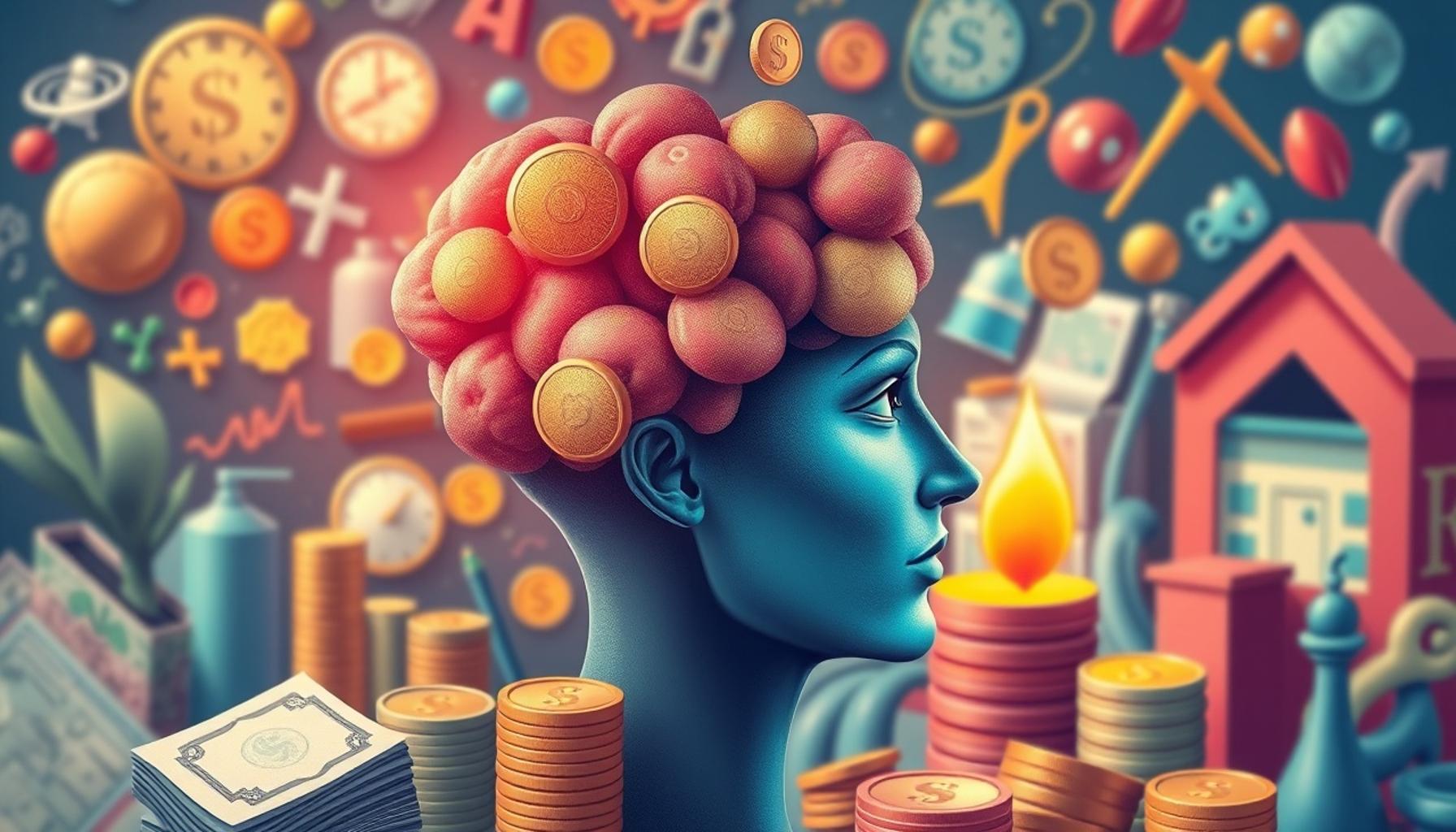
Logical challenges have taken center stage in both entertainment and education, serving as more than mere amusement. They offer profound insights into our mental processes, revealing how we think, reason, and solve problems. Engaging with these puzzles initiates a complex interaction within our brains, pushing the limits of our cognitive capacities and aiding in our intellectual growth.
One of the most compelling aspects of logical challenges is their ability to foster cognitive engagement. When faced with a puzzle, individuals must employ various strategies, analyze information, and often think critically about the relationships between different elements. For example, a classic riddle like “The more you take, the more you leave behind. What am I?”—with the answer being “footsteps”—requires not only lateral thinking but also the ability to recognize abstract connections which can enhance problem-solving skills.
However, the experience of tackling logical challenges can also unleash a stress response. Under pressure, our decision-making often becomes more instinctual, revealing not just our analytical capabilities but also our emotional resilience. A study published in the “Journal of Applied Psychology” discussed how individuals respond differently to stress while solving complex riddles, which can lead to interesting conclusions about personality traits and approach to challenges. Such insights make us aware of how high-pressure situations in daily life can impact our choices.
Moreover, the regular engagement with logical puzzles is linked to neuroplasticity, which refers to the brain’s ability to reorganize itself by forming new neural connections. Studies have shown that activities such as Sudoku or logic grid puzzles can enhance brain function, potentially staving off cognitive decline as we age. Research from the University of California indicates that individuals who engage in mentally stimulating activities are more likely to maintain their cognitive abilities later in life.
In educational settings across the United States, logical challenges are celebrated for their role in enriching students’ learning experiences. For instance, the incorporation of logic puzzles in STEM curricula encourages young learners to think critically and creatively. Schools are now increasingly utilizing these puzzles as a staple component of their teaching strategies, tapping into their potential to boost engagement and understanding among students.

Ultimately, as we explore the psychological facets of these logical challenges, we uncover the many ways they shape our cognitive landscape and equip us with essential skills for navigating life’s complexities. Unlocking these secrets provides a pathway to not only improving our problem-solving capabilities but also enhancing our overall mental agility, preparing us to face an ever-evolving world with confidence.
DIVE DEEPER: Click here to learn more
The Mechanics of Thought: How Logical Challenges Reshape Our Cognition
At their core, logical challenges engage our mind in a dance of reasoning, where each step forward often reveals more questions than answers. This engagement is not merely a pastime; it serves as a vital exercise for the brain. When we navigate the intricate web of clues and possibilities within a puzzle, we stimulate various cognitive functions that enhance our overall mental faculties.
One prominent area of interest is the concept of executive function, which encompasses the mental processes that enable us to plan, focus attention, remember instructions, and juggle multiple tasks. Research conducted at the University of Michigan has shown that solving logical challenges can effectively improve executive function by requiring individuals to set goals, monitor their progress, and adjust their strategies as needed. This dynamic interaction promotes mental flexibility and strengthens critical thinking skills, vital components for academic success and personal development.
Moreover, logical challenges also nurture pattern recognition, an essential cognitive skill for problem-solving. As individuals grapple with puzzles, they begin to recognize common structures and patterns that can influence their approach to similar tasks in the future. For instance, crossword puzzles not only test vocabulary but also imbue players with the ability to identify word associations and context clues. This skill is particularly beneficial in educational environments, where the ability to connect disparate ideas fosters innovation and creativity among students.
Engaging with logical challenges can also trigger a fascinating phenomenon known as the flow state. This psychological concept, first coined by psychologist Mihaly Csikszentmihalyi, refers to a state of complete immersion and focus that often accompanies challenging tasks. When this flow state is achieved during the resolution of a puzzle, individuals tend to experience increased productivity, enhanced creativity, and a profound sense of satisfaction. For many, this sense of accomplishment is a significant motivator to tackle more complex challenges, creating a positive feedback loop that fuels growth.
To sum up the mental benefits derived from logical challenges, consider the following:
- Enhanced Executive Function: Improving planning, focus, and task management skills.
- Strengthened Pattern Recognition: Developing the ability to understand complex relationships and ideas.
- Induction of Flow State: Achieving heightened concentration and satisfaction in problem-solving.
As we delve deeper into the psychology behind logical challenges, we begin to uncover not only the mechanics of our thinking but also the broader implications of engaging with these puzzles in our daily lives. Each logical challenge we face represents an opportunity for cognitive growth, enhancing our ability to navigate the complexities of both personal and professional realms effectively.
| Cognitive Development | Emotional Resilience |
|---|---|
| Engagement with logical challenges enhances problem-solving skills. | Tackling difficult tasks boosts self-efficacy and reduces anxiety. |
| Strengthens critical thinking and analytical abilities. | Increases patience and persistence, fostering a growth mindset. |
The intriguing nature of logical challenges can profoundly impact our mental faculties. When individuals engage in such problems, they are not only honing their cognitive skills, but also nurturing a sense of accomplishment. Strengthening critical thinking and analytical abilities becomes a byproduct of regular practice, leading to improved decision-making capabilities in real-life situations.Moreover, facing these challenges plays a pivotal role in building emotional resilience. Confronting and navigating through failures associated with logical challenges can foster a growth mindset. For individuals, this translates to improved patience and persistence, qualities that are essential not only in academic settings but also in personal and professional environments.Understanding the mechanics of how our brain reacts to such stimuli is essential in recognizing their long-term benefits. These challenges often create a safe space for failure, emphasizing that setbacks are not the end but rather stepping stones to mastery. Consequently, they provide the groundwork for mental fortitude, encouraging individuals to embrace new challenges with confidence and clarity.
DISCOVER MORE: Click here to learn about the fascinating history of memory palaces
The Role of Emotional Intelligence in Problem-Solving
Logical challenges are inherently tied to emotional intelligence, an often underrated aspect of cognitive functioning. The interplay between emotions and logical reasoning plays a significant role in how efficiently we solve problems. Emotional intelligence, the ability to understand and manage one’s emotions as well as the emotions of others, can facilitate a more comprehensive approach to resolving logical challenges. Research from the University of California has indicated that individuals who possess higher emotional intelligence are better equipped to navigate complex scenarios, as they can remain calm under pressure and approach problems with a clear, logical mindset.
When faced with a logical challenge, emotional responses can influence our problem-solving strategies. For instance, anxiety might hinder one’s ability to think rationally, while positive emotions can enhance creativity and openness to new solutions. Engaging with puzzles provides a unique opportunity to assess and regulate emotional responses. As individuals repeatedly encounter and overcome logical obstacles, they develop resilience, learning to manage stress effectively. This process contributes to greater emotional regulation, which can be advantageous not only in problem-solving but also in social interactions and decision-making.
The Impacts of Collaboration on Logical Thinking
Another fascinating aspect of logical challenges is their potential for promoting collaboration and teamwork. In many cases, puzzles and logical games are designed for groups, fostering a collaborative environment for collective problem-solving. This interaction leads to the sharing of diverse perspectives and approaches, ultimately enriching the experience and outcome. Studies conducted by the University of Texas reveal that collaborative problem-solving enhances critical thinking skills more than solitary engagement. During group activities, participants must articulate their reasoning, listen to others, and potentially reconsider their viewpoints—all of which promote a deeper understanding of logical reasoning.
Social dynamics in problem-solving environments further highlight the importance of effective communication and negotiation skills. When individuals collaborate on logical challenges, they are often required to reconcile differences in thought processes and strategies. This process nurtures essential interpersonal skills that extend beyond the realm of puzzles, preparing individuals for success in both personal relationships and professional contexts.
The Neuroplasticity of the Mind: Adapting Through Challenges
Logical challenges also catalyze a critical neurological process known as neuroplasticity—the brain’s ability to reorganize itself by forming new neural connections throughout life. Engaging in complex problem-solving activities prompts the brain to adapt and reshape itself, paving the way for enhanced cognitive agility. According to research conducted at Harvard University, participating in challenging logical tasks can lead to increased grey matter density in regions of the brain associated with critical thinking, decision-making, and emotional regulation.
As our understanding of neuroplasticity deepens, it becomes evident that the effects of regular engagement with logical challenges extend far beyond the immediate benefits; they contribute to long-term cognitive health. Individuals who actively partake in logical puzzles and brain teasers may experience a reduced risk of cognitive decline as they age, highlighting the profound impact of mental exercise on overall brain health.
In summary, exploring emotional intelligence, collaboration, and neuroplasticity through the lens of logical challenges reveals a multifaceted perspective on how such activities enrich our minds. By nurturing these cognitive attributes, we not only enhance our problem-solving capabilities but also prepare ourselves for the complexities of daily life. Each puzzle presents an opportunity, not just to think logically but to grow emotionally, socially, and neurologically as well.
DIVE DEEPER: Click here to discover more
Conclusion: The Transformative Power of Logical Challenges
In conclusion, the exploration of logical challenges offers deep insights into the intricate workings of our minds. By engaging with puzzles and problems, we are not only exercising our cognitive abilities but are also enhancing our emotional intelligence and interpersonal skills. The capacity to manage emotions under pressure significantly influences our approach to problem-solving, enabling us to respond more effectively in both personal and professional scenarios.
Moreover, the collaborative aspect of logical challenges fosters a sense of community and enriches our reasoning process through shared insights and diverse perspectives. As demonstrated by research from leading universities, teamwork in logical challenges cultivates critical thinking skills and nurtures effective communication—an emerging necessity in today’s interconnected world.
Perhaps one of the most compelling aspects highlighted throughout this discussion is the role of neuroplasticity in our cognitive health. Regular engagement with logical challenges keeps our brains adaptive and resilient, potentially mitigating age-related cognitive decline. This vital adaptability emphasizes the importance of mental exercise in our daily lives, suggesting that each puzzle solved can lead to profound cognitive and emotional benefits.
Ultimately, as we embrace logical challenges, we unlock opportunities for growth—not only in logical thinking but in our overall mental, emotional, and social development. Thus, it is worth considering how we can incorporate these enriching experiences into our routines to cultivate a healthier, more agile mind capable of withstanding the complexities of modern life.
Related posts:
Logical Challenges and Neuroscience: How Reasoning Problems Influence Brain Structure
Logical Challenges in Education: Stimulating Critical Thinking in the Classroom
Logical Challenges and Gamification: How Game Elements Transform Reasoning Learning
Logical Challenges and Decision Making: How Problem-Solving Enhances Analytical Skills
Logical Challenges in Teams: Strengthening Bonds and Collaboration Skills Through Games
The Influence of Logical Challenges in Education: How Logic Games Can Transform Learning in the Clas...

Linda Carter is a writer and puzzle expert specializing in mind games, brain teasers, and cognitive challenges. With extensive experience helping individuals enhance their problem-solving skills and think critically, Linda shares her knowledge on our platform. Her goal is to empower readers with practical advice, engaging puzzles, and strategies to sharpen their minds and achieve success in the captivating world of mind games and puzzles.