
The Importance of Maintaining Focus in Challenging Times
In today’s fast-paced world, crises can emerge unexpectedly, whether triggered by natural disasters like hurricanes or wildfires, economic challenges such as recessions, or surprising global events like pandemics. These situations demand not only quick thinking and adaptability but also a robust approach to task prioritization. When faced with overwhelming circumstances, maintaining focus is more crucial than ever, guiding individuals and teams through turbulent waters.
Why Prioritization Matters
When crises strike, effective prioritization is a lifeline that helps navigate an overwhelming workload. In the chaos of a crisis, it empowers individuals and organizations to concentrate on what truly matters, ensuring that essential tasks are executed swiftly and effectively. This ability to discern priorities offers several key benefits:
- Increased Efficiency: By honing in on high-priority tasks, teams can work more efficiently, leading to quicker completion rates of projects. For example, during the COVID-19 pandemic, companies that prioritized remote work solutions were able to adapt to changing circumstances rapidly, ensuring continuity of operations while keeping employees safe.
- Reduced Stress: Crises can create a palpable feeling of being overwhelmed. Effective prioritization mitigates this stress by allowing individuals to focus on manageable portions of their workload, thus reducing anxiety about the larger, uncontrollable scenario.
- Optimal Resource Allocation: During a crisis, resources become limited or strained. Prioritization ensures that both time and energy are allocated efficiently, enabling teams to maximize their impact even with fewer resources at their disposal.
Strategies for Success
Amidst crises, certain strategies can bolster productivity and clarity in task management:
- Task Lists: Using a simple yet effective task list helps clarify priorities. These lists act as dynamic guides, where tasks can be categorized based on urgency and importance, ensuring nothing crucial slips through the cracks.
- Time Blocking: Allocating specific time periods for various tasks can significantly enhance focus. By designating uninterrupted blocks of time for high-priority projects, individuals can dive deep into their work without distractions.
- Regular Reviews: Challenges and contexts can shift rapidly during a crisis. Regularly assessing and adjusting priorities allows individuals and teams to stay aligned with their overarching goals while adapting to new obstacles or information.
Understanding and implementing these strategies does not merely lead to survival during tough times; they lay the groundwork for emergence as stronger and more effective contributors. Navigating a crisis with the right tools for prioritization can empower us not just to cope, but to thrive against all odds. As we explore these methods and understand their applications within our specific contexts, we unlock the potential to refine our focus and amplify our impact, regardless of the circumstances we face.
Dive deeper: Click here for more insights
Embracing Task Lists: A Framework for Clarity
When chaos ensues, the mind can easily become clouded with competing demands and urgent requests. One effective method for combating this turmoil is the creation of detailed task lists. These lists serve as both a roadmap and a checklist, guiding individuals through the dense fog of responsibilities. By itemizing tasks, one can assess what needs to be accomplished and which elements require immediate attention. However, not all tasks hold the same weight; thus, utilizing a prioritization framework becomes essential.
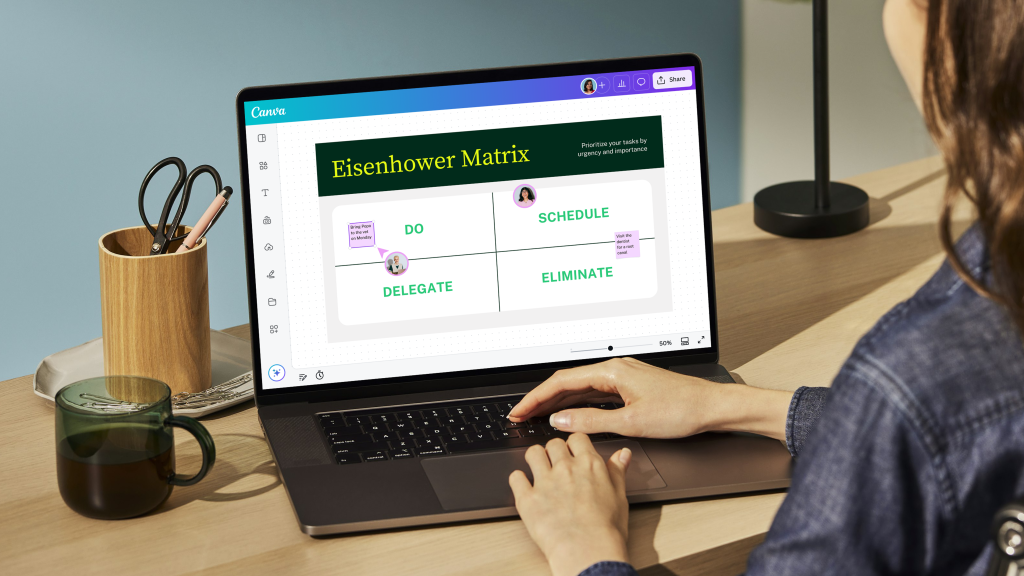
Consider employing the Eisenhower Matrix, a time management tool that categorizes tasks based on their urgency and importance. This method divides tasks into four quadrants:
- Urgent and Important: These are tasks that must be done immediately, such as meeting a project deadline or addressing a critical client issue.
- Important but Not Urgent: Although they don’t require immediate action, these tasks are vital for long-term success, such as planning for the future or skill-building.
- Urgent but Not Important: These tasks can often be delegated to others or handled quickly, such as responding to non-critical emails.
- Neither Urgent nor Important: These tasks can typically be dropped or postponed, allowing more focus on pressing issues.
This framework not only clarifies what to focus on first but also allows for a systematic approach to tackling responsibilities during a crisis. As the harried workforce faces potential burnout during challenging times, clear prioritization is necessary for sustainable productivity.
Time Blocking: Structuring Hours for Optimal Focus
Once tasks are clearly defined, the next step involves allocating specific time slots for each priority. Time blocking is a powerful technique that restricts distractions by assigning dedicated periods for focused work on essential tasks. Implementing this method creates a structured environment, enabling individuals to hone in on what matters. For instance, if a manager has several key reports to compile during a crisis, they might allocate a two-hour block in the morning solely for that purpose, isolating themselves from interruptions. This structured approach creates a sense of urgency and keeps momentum alive.
Moreover, these time blocks can be adjusted throughout the week based on changing needs and priorities, allowing for flexibility in an unpredictable environment. By optimizing time in this way, individuals can ensure that they remain productive, even when faced with significant external pressures.
The Necessity of Regular Reviews
As crises unfold, it is vital not only to implement effective strategies but also to assess their efficacy regularly. Regular reviews of task priorities are essential for adaptability. By setting aside time at the end of each day or week to reflect on what has been accomplished and what still demands attention, individuals can pivot when necessary. What may have seemed urgent last week might not hold the same importance today, given the ever-shifting landscape of a crisis.
This commitment to regular assessments not only refines the prioritization process but also boosts morale by celebrating small achievements along the way. By acknowledging progress, individuals and teams can cultivate resilience, thus fortifying their ability to weather the storm and emerge on the other side stronger and more aligned with their goals.
Task Prioritization Techniques
When faced with a crisis, individuals and teams often grapple with overwhelming workloads and endless to-do lists. Effective task prioritization becomes not just valuable, but crucial for maintaining focus and productivity. One powerful strategy involves the Eisenhower Matrix, which categorizes tasks based on urgency and importance. This method allows individuals to identify tasks that require immediate attention, while effectively delegating or postponing less critical tasks. Such clarity can significantly reduce anxiety and enhance decision-making during turbulent times.
Utilizing Technology for Task Management
Technology can be a formidable ally in navigating crises. With tools like Trello, Asana, and Microsoft To-Do, teams gain the ability to organize tasks, set deadlines, and track progress in real-time. These platforms not only streamline workflow but also foster collaboration, enabling team members to stay connected and aligned on objectives. Regular check-ins using these tools can provide accountability, motivating individuals to stay focused and engaged even in challenging circumstances.
The Role of Time Blocking
Implementing time blocking is another effective approach to enhancing productivity. By allocating specific time slots for different tasks, individuals can minimize distractions and enhance concentration. This technique encourages a disciplined approach, allowing for deeper engagement with tasks at hand. Moreover, scheduling breaks during time blocks promotes mental rejuvenation, which is essential for sustaining energy levels during crises.
Setting SMART Goals
Incorporating the SMART criteria—Specific, Measurable, Achievable, Relevant, and Time-bound—into your task management can provide a structured framework. Setting clear and attainable goals aligns individual tasks with overarching objectives, which is crucial during periods of uncertainty. This approach not only clarifies what needs to be accomplished but also fosters a sense of achievement as tasks are completed, further boosting morale and productivity.
| Targeted Strategies | Description and Benefits |
|---|---|
| Eisenhower Matrix | A method to distinguish between urgent and important tasks, fostering better decision-making. |
| Time Blocking | Allocates specific time for focused work periods, reducing distractions and enhancing concentration. |
Through these strategic methods, individuals can navigate crises more effectively, keeping productivity levels high while maintaining a sense of accomplishment. As we explore further strategies in our next segments, readers will gain deeper insights that enhance their ability to manage tasks amid challenges.
DISCOVER MORE: Click here to enhance your productivity
Harnessing Technology: Tools to Streamline Task Management
In today’s digital age, technology can be an invaluable ally in the quest for effective task prioritization, especially during times of crisis. Several robust task management tools and applications are available that help individuals and teams track their priorities and manage workloads efficiently. For example, platforms like Trello and Asana allow for the visual organization of tasks, making it evident which areas require immediate attention. These tools support collaboration and real-time updates that are critical when teams are spread across different locations, ensuring everyone stays aligned and focused on what truly matters.
Additionally, utilizing calendar applications, such as Google Calendar or Outlook, not only aids in scheduling those dedicated time blocks for tasks but also integrates reminders and deadlines. A recent survey by Wrike found that 67% of professionals believed that adopting digital tools improved their productivity, particularly in uncertain environments. This indicates a clear trend toward leveraging technology to maintain focus during chaotic times.
Setting Boundaries: Managing Distractions in Remote Work
As remote work becomes increasingly prevalent, especially in critical circumstances, setting clear boundaries is essential for maintaining productivity. Individuals must communicate availability effectively to colleagues and family members to minimize interruptions. This may involve designating specific work hours and using simple signals, like closing a door or wearing headphones, to indicate focused work time. Research from Stanford University found that remote workers can be up to 13% more productive than their office counterparts, largely due to a decrease in workplace distractions. However, this potential can only be fully realized if distractions are actively managed.
Additionally, practicing the Pomodoro Technique—a time management method where individuals work for 25 minutes and then take a 5-minute break—can help maintain focus. By enforcing these boundaries and effectively segmenting work periods, individuals can optimize their mental energy, leading to enhanced productivity during crisis scenarios.
Staying Agile: Adapting to Shifting Priorities
The nature of crises is that they are often unpredictable, and thus, the ability to adapt priorities as circumstances change is crucial. Agile methodologies, commonly used in project management, can apply to individual task prioritization as well. By breaking down larger projects into smaller, manageable tasks and regularly reassessing them, individuals can stay responsive to changing needs. Notably, a study published in the Harvard Business Review illustrated that agile teams were 30% more effective in shifting priorities compared to traditional teams, highlighting the need for flexibility and responsiveness in today’s fast-paced environment.
Furthermore, engaging in daily stand-up meetings, whether with a team or even with oneself, to assess what should be prioritized for the day can enhance accountability and maintain alignment. This continuous feedback loop ensures that individuals remain focused on the most pressing tasks and can navigate through the complexities presented by a crisis.
As prioritization strategies evolve, understanding the tools, techniques, and methodologies available allows individuals to not only survive challenging times but thrive in them. Staying mindful of these practices can significantly improve both focus and productivity, no matter how turbulent the waters may become.
DISCOVER MORE: Click here to uncover how your workspace influences productivity
Conclusion: Mastering Task Prioritization in Crisis
In an era characterized by uncertainty, mastering task prioritization is not just a strategy; it’s a necessity. As we have explored, leveraging the right technology can transform an overwhelming workload into manageable tasks, fostering collaboration and enhancing clarity. Tools like Trello and Asana provide a crucial framework that reminds us of project priorities, enabling effective task management for individuals and teams alike.
Moreover, as work increasingly transitions to remote environments, establishing clear boundaries and minimizing distractions become paramount. Research shows that a simple yet powerful approach, like the Pomodoro Technique, can bolster focus and maintain productivity, essential facets when navigating chaotic circumstances. Emphasizing disciplined routines and structured work hours can lead to significant increases in efficiency.
Flexibility remains a core element of effective task prioritization, especially during crises. Implementing agile methodologies allows both individuals and teams to pivot and respond to the ever-evolving landscape of demands. This adaptability is not merely about responding to change but embracing it as a catalyst for innovation and growth.
Ultimately, the ability to prioritize tasks in turbulent times is a skill that can profoundly impact one’s professional life. It empowers individuals to not only cope with pressure but to rise above it, fostering an environment where productivity and focus thrive despite external chaos. Embracing these strategies will not only help maintain equilibrium during crises but will also prepare you for whatever challenges lie ahead. With the right approach, even the most challenging of times can become opportunities for growth and achievement.
Related posts:
Demystifying Task Prioritization: How to Identify What Really Matters on a Busy Day
Task Prioritization Based on Results: How to Set Goals that Guide Your Daily Decisions
The Impact of Technology on Task Prioritization: Apps that Transform Your Routine
How Technology Can Help with Daily Task Prioritization
How to Use the Pomodoro Technique to Increase Clarity in Task Prioritization
Growth Mindset and Prioritization: How to Adapt Your Tasks to Personal and Professional Development

Linda Carter is a writer and productivity and personal organization specialist focused on helping readers build better routines, manage their time, and stay on top of daily priorities. With experience covering practical planning methods, habit-building strategies, and tools for organization, Linda shares actionable guidance on our platform. Her goal is to empower readers with clear, realistic tips to work smarter, reduce overwhelm, and stay consistent over time.